
Bringing Convenience Into the Modern Home
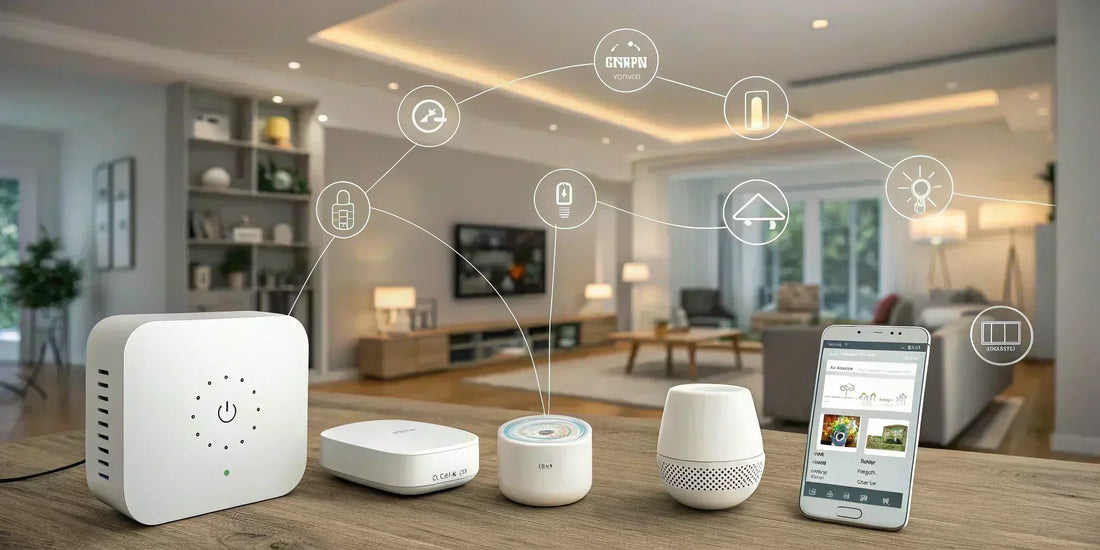
Technology has changed how people manage everyday tasks, from controlling lighting to monitoring household energy use. Smart home devices can offer greater convenience, help residents organise routines, and provide additional ways to manage their living environment.
However, a technologically advanced home does not necessarily require an expensive collection of connected devices. The most useful solutions are usually those that address genuine needs, fit the property’s existing infrastructure, and remain simple enough for everyone in the household to use.
For prospective homeowners in Singapore, thinking about technology before moving in can help avoid unnecessary purchases and complicated installations later.
Identify the Tasks You Want Technology to Improve
Before investing in smart devices, consider which everyday activities could benefit from automation or remote control. Someone who frequently forgets to switch off lights may appreciate smart lighting, while a household with several electronic devices might prefer a system that makes energy use easier to monitor.
Other residents may value video doorbells, compatible digital locks, or sensors that provide notifications about particular household conditions. The usefulness of these devices depends on personal circumstances, building arrangements, and applicable installation rules.
It is sensible to begin with a small number of practical improvements rather than attempting to automate the entire home immediately. This allows residents to understand what works before committing to a more extensive system.
Plan Connectivity Before Choosing Devices
Many smart home products rely on a stable internet connection or a compatible wireless network. The placement of a router, the size of the property, and the materials used in its construction can affect signal coverage.
Buyers should consider where connected devices will be used and whether the home layout supports reliable communication between them. A smart camera or sensor may provide limited value if the wireless signal is weak in the area where it is installed.
Compatibility is another important factor. Devices from different manufacturers do not always work seamlessly together, so purchasers should check supported platforms and communication standards before buying equipment.
Planning the network early can reduce the need to replace devices or reorganise the home after moving in.
Evaluating Technology Needs at Solano Grand
Prospective residents researching Solano Grand can consider how the available unit layout might support a connected household. The location of electrical outlets, the arrangement of rooms, and potential router placement may influence the convenience of installing smart lighting, sensors, or other devices.
Buyers should verify the confirmed electrical specifications and any relevant installation restrictions before purchasing equipment. They should not assume that a development includes particular smart home systems unless the features are explicitly documented.
It may also be useful to identify where devices would be most valuable. For example, lighting controls could be convenient in frequently used areas, while monitoring equipment might serve a particular household need.
A practical plan should account for both initial equipment costs and the effort required to maintain the system over time.
Improve Comfort Through Simple Automation
Smart lighting can make it easier to adjust brightness according to different activities. A household might use brighter settings while preparing meals and softer illumination when relaxing in the evening.
Compatible temperature controls can also help residents manage indoor comfort, although the available functions depend on the property’s installed systems. Buyers should verify compatibility rather than assume that every air-conditioning arrangement supports the same controls.
Automated schedules may reduce repetitive tasks, but convenience should not come at the expense of reliability. Residents should retain straightforward manual controls wherever possible, especially for essential functions.
The best setup is one that makes daily life simpler without requiring constant troubleshooting.
Digital Convenience in Woodlands
When considering Wynwood Grand, buyers can apply the same technology-planning principles to the available layouts and confirmed specifications. A well-organised home network may support remote work, connected entertainment devices, online learning, and household automation.
The surrounding location also matters in a broader sense. Residents may rely on digital services for transport information, shopping, appointments, and deliveries, making reliable connectivity a useful part of everyday life.
However, buyers should distinguish between the development’s confirmed features and equipment they would need to purchase separately. Asking clear questions before signing a purchase agreement can help establish what is included and what remains optional.
Protect Privacy and Secure Connected Devices
Connected devices introduce security considerations alongside convenience. Weak passwords, outdated software, and poorly configured settings can increase the risk of unauthorised access.
Residents should use strong, unique passwords, enable multi-factor authentication where available, and install software updates promptly. Devices that are no longer supported may need to be replaced to maintain reasonable security.
Privacy settings deserve attention as well. Before installing cameras or microphones, homeowners should understand what information is collected, where recordings are stored, and who can access them.
Shared residential environments may have additional restrictions concerning cameras and alterations to common property. Buyers should verify applicable rules before installing equipment that could affect other residents.
Avoid Spending on Features You Will Not Use
Smart home products can be appealing, particularly when they are demonstrated in a carefully designed showroom. Yet a device provides little practical value if it does not fit the household’s routines.
Before purchasing equipment, compare the price, compatibility, maintenance requirements, and expected benefit. Some improvements may be inexpensive and straightforward, while others could require professional installation or changes to existing systems.
Starting with essential needs allows homeowners to develop a connected environment gradually.
Conclusion
Smart home technology can make everyday living more convenient when it is selected with a clear purpose. Reliable connectivity, compatible devices, sensible automation, and strong security practices all contribute to a more useful system.
By planning technology around the property’s actual layout and the household’s needs, buyers can avoid unnecessary spending and create a home that remains practical over time. Modern living is not about having the greatest number of connected devices; it is about choosing technology that genuinely improves comfort and convenience.
About the Author