In an era of increasing environmental volatility, marked by rising temperatures and more frequent, intense wildfires, the materials used to construct our homes have taken on a profound new significance. For modern homeowners, the choice of exterior siding has evolved from a purely aesthetic decision to a critical matter of safety, resilience, and long-term investment. Among the high-performance options available, easy-to-install, fire-resistant siding stands out as a practical and necessary choice. This material combines the low maintenance and appealing finishes desired by contemporary builders with the robust protection required to safeguard a home against one of nature’s most destructive forces. The benefits of integrating such materials extend far beyond mere compliance, offering tangible advantages in safety, insurance, and construction efficiency.
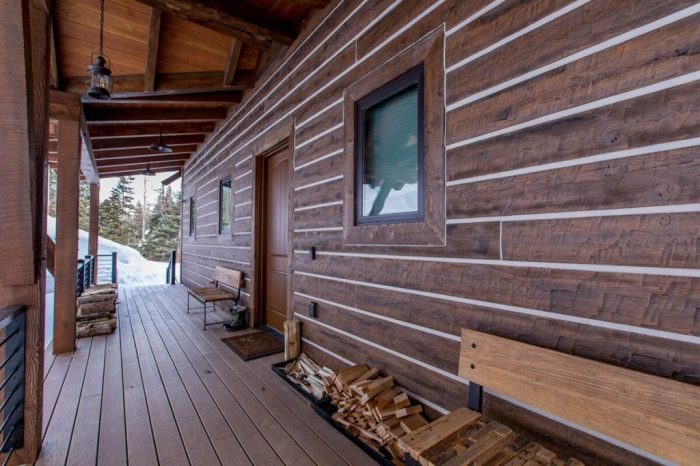
The primary appeal of Nichiha Fiber Cement Panels – Easy to Install Fire Resistant Siding lies in its non-combustible nature. Unlike traditional wood or standard vinyl, which can fuel a fire or melt rapidly, materials such as fiber cement, thick stucco, or certain engineered wood composites are designed to resist ignition and slow the spread of flames. This resistance buys precious time, protecting the structure until fire services can arrive or allowing occupants more time to safely evacuate. In many regions now designated as Wildland-Urban Interface (WUI) zones, using these materials is no longer optional but a regulatory requirement, underscoring their critical role in public safety.
Reducing Insurance Costs and Increasing Home Value
The financial incentives associated with choosing fire-resistant materials are becoming increasingly significant. As insurance companies face higher risks from catastrophic events, they are beginning to reward homeowners who proactively mitigate those risks.
Many insurance carriers offer discounts on homeowner’s premiums for properties that utilize non-combustible or fire-resistant exterior materials, especially in high-risk zones. Over the lifetime of the home, these savings can substantially offset the initial material cost. Furthermore, integrating superior safety features naturally increases the home’s resale value. As buyers become more aware of climate risks, a home explicitly marketed with fire-resistant siding and a high WUI rating becomes a more attractive and secure investment, offering a distinct competitive advantage in the real estate market. It signifies a long-term commitment to quality and resilience.
Efficiency in Installation: Saving Time and Labor
A key evolution in the fire-resistant siding market is the focus on easy installation. Traditionally, high-performance materials like masonry or thick stucco were labor-intensive and required highly specialized crews, adding significant time and cost to a project. Modern fiber cement and engineered polymer sidings have overcome this hurdle by designing systems that minimize labor complexity.
These newer materials often feature pre-drilled holes, interlocking systems, or large, manageable panels that reduce the time spent measuring and cutting. Some products utilize clip systems or simplified nailing patterns that allow contractors to install the siding faster than traditional lap siding. This efficiency translates directly into lower labor costs and shorter construction timelines, a major benefit for builders and homeowners alike. The combination of high-performance safety and construction-friendly installation makes these materials a practical choice for large-scale developments as well as individual custom homes.
Conclusion: A Smart, Modern Requirement
The benefits of easy-to-install, fire-resistant siding clearly mark it as a fundamental requirement for modern home construction. It is a material that successfully bridges the gap between critical safety requirements and contemporary demands for durability and aesthetics. By providing an unparalleled defense against structural damage and ember intrusion, it enhances the safety of occupants and assets. Furthermore, the financial advantages of reduced insurance costs and increased property value, coupled with streamlined installation processes, make this choice economically sound. In the face of evolving environmental realities, choosing fire-resistant siding is not just an upgrade—it is a smart, essential investment in the long-term resilience and peace of mind of the modern home.
About the Author