Water pressure, a feature most homeowners only notice when it’s either too weak to rinse shampoo or so strong it rattles the pipes, is a critical element of a functional and efficient plumbing system. Healthy water pressure ensures comfortable showers, quick-filling washing machines, and the longevity of your appliances. When the pressure is too low, daily tasks become a frustrating chore. When it’s too high, the excessive force puts undue stress on everything from faucets and showerheads to the pipes themselves, dramatically increasing the risk of leaks, burst pipes, and premature failure of water-using appliances like dishwashers and water heaters. Maintaining that perfect flow— plumber thousand oaks the sweet spot where efficiency meets comfort—is essential for protecting your home and enhancing your quality of life.
The ideal water pressure for most residential plumbing systems is generally considered to be between 40 and 60 pounds per square inch (psi). Anything consistently above 80 psi is considered dangerously high and mandates immediate correction. Conversely, pressure dipping below 40 psi can seriously impair appliance function. Achieving and sustaining this healthy range requires a proactive approach, including regular monitoring and targeted maintenance of key system components.
Understanding the Source: Where Your Pressure Comes From
To manage your water pressure effectively, you must first understand its source. For most suburban and urban homes, water pressure is supplied by the municipal system, which uses large pumps and gravity (often through water towers) to maintain pressure across the grid. However, for homes drawing water from a private well, the pressure is determined by a well pump and a pressure tank, which uses compressed air to push water through the pipes.
In municipal systems, pressure often varies depending on your elevation and proximity to the main supply lines. If you live at the bottom of a hill, your pressure may naturally be higher than someone living at the top. Because municipal pressures can fluctuate throughout the day and year, homes are equipped with a crucial component to safeguard the internal plumbing: the pressure reducing valve (PRV).
The Guardian of the System: Maintaining the PRV
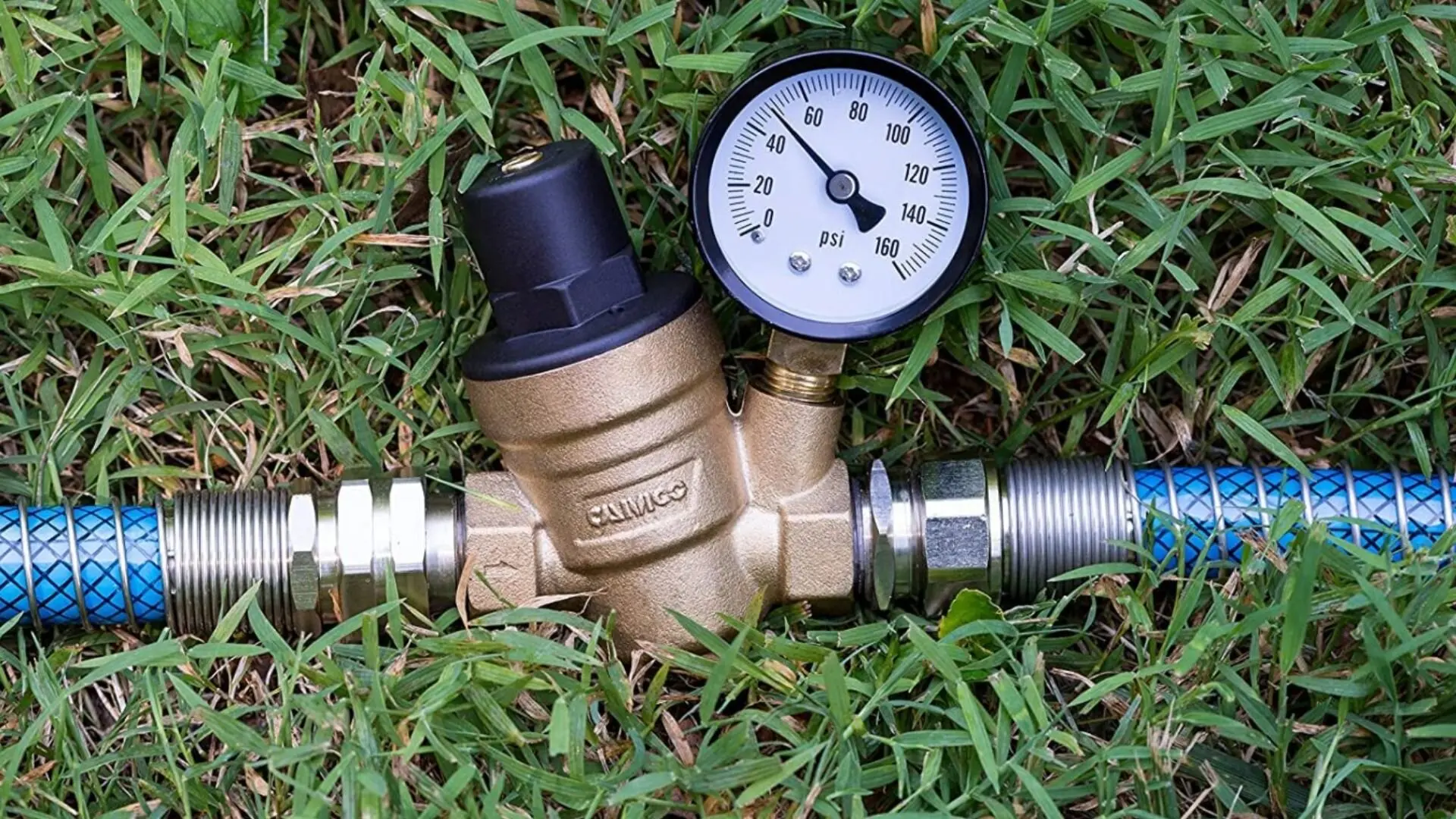
The pressure reducing valve is the most important component for managing water pressure in a municipal-supplied home. Typically located where the main water line enters the house—often near the water meter or the main shut-off valve—the PRV is a bell-shaped device that mechanically regulates the incoming high pressure down to a safe, constant level for the interior plumbing.
Over time, a PRV can wear out, fail, or become clogged with sediment and mineral deposits. A failed PRV is the most common cause of sudden, inexplicably high water pressure or, conversely, a gradual but persistent loss of pressure throughout the home. If you notice symptoms like continuously dripping faucets, noisy “water hammer” sounds in the pipes, or dramatically fluctuating pressure, the PRV is likely the culprit.
You should have your PRV inspected by a plumber every five years, and it may need replacement every 10 to 15 years, depending on the water quality in your area. A simple pressure gauge, which screws onto any exterior hose bib, allows you to monitor the pressure yourself and catch PRV failure before it leads to serious damage.
The Well System Solution: Managing the Pressure Tank
For homes on well water, maintaining healthy pressure revolves around the function of the well pump and the pressure tank. The pressure tank maintains a cushion of compressed air that pushes the water out to the fixtures, reducing the number of times the pump needs to cycle on and off.
By understanding the key roles of the PRV and the pressure tank, and by committing to regular checks for clogs and leaks, any homeowner can move beyond reactive repairs and ensure their plumbing system maintains that perfect, satisfying flow for years to come.
About the Author