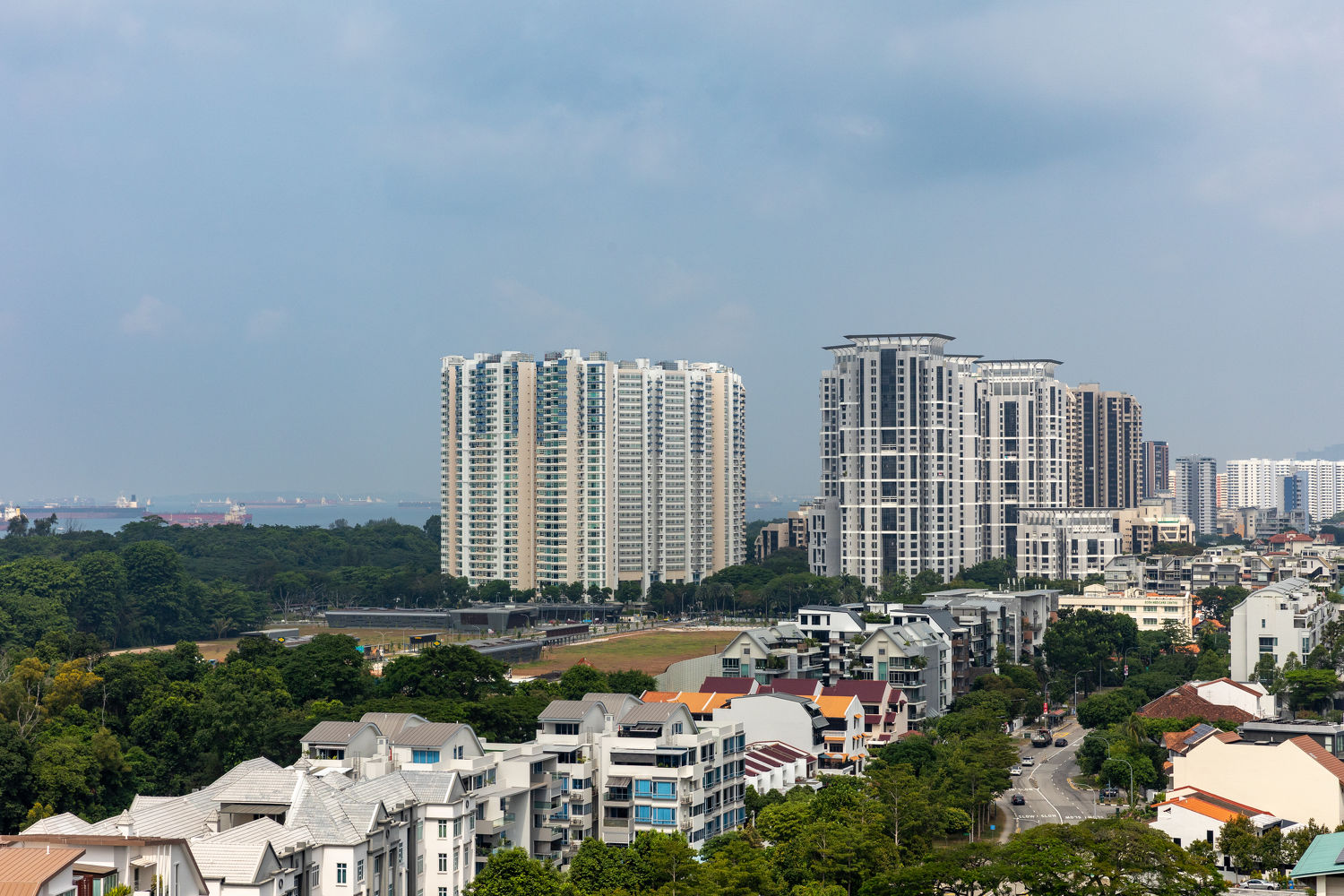

A townhome search often begins with square footage, finishes, and floor plans, yet the daily experience of living there is shaped just as much by what lies beyond the front door. Community amenities influence how residents move, gather, work, and recharge. From thoughtfully designed green spaces to practical on-site services, the right mix can elevate comfort, strengthen routines, and quietly boost long-term value.
Because amenities touch nearly every aspect of life, evaluating them with intention can clarify what truly defines the ideal townhome.
Establishing a Lifestyle Fit
Amenities signal a community’s priorities. A neighborhood that invests in gardens, dog runs, and rooftop terraces invites residents to slow down and connect, while spaces like co-working lounges or package hubs point to a rhythm of modern convenience. Aligning these offerings with personal routines brings coherence to everyday life.
When the community’s rhythm matches your own—early morning workouts, late-day walks, weekend gatherings—home begins to feel effortless rather than forced.
Enhancing Daily Convenience
Time saved is quality gained. On-site fitness rooms reduce friction for exercise, while business centers and reliable Wi-Fi support remote and hybrid work without a commute to a coffee shop. Secure mailrooms simplify deliveries, and well-placed trash and recycling stations keep chores quick and discreet.
When the small frictions of the day shrink, the home lives larger than its square footage, and the community becomes an extension of your floor plan.
Promoting Health and Well-Being
Wellness thrives where design meets intention. Tree-lined paths encourage movement without the pressure of a full gym session, and pocket parks offer quiet moments that offset the intensity of urban life. Natural light in communal areas, gentle night lighting along walkways, and shaded seating balance safety with calm.
Over time, these cues nudge residents toward healthy habits, making well-being a natural byproduct of where they live rather than a separate to-do.
Strengthening Social Connection and Safety
Belonging grows in spaces that make it easy to say hello. Clubrooms, shared kitchens, and outdoor courtyards create low-pressure opportunities to meet neighbors, which can ripple into practical benefits like carpooling, pet sitting, or simply feeling known.
At the same time, thoughtful security—maintained entrances, clear sightlines, and attentive property management—supports peace of mind without turning the neighborhood into a fortress. When connection and safety coexist, residents are more likely to stay, invest, and care for what they share.
Supporting Value Retention and Resale Potential
Amenities influence perception, and perception influences price. Well-maintained landscapes, refreshed interiors, and modern conveniences signal stewardship, which helps properties hold their value through market cycles. Midway through the search process, many buyers begin filtering for communities that combine livability with sensible costs, especially when comparing townhomes across nearby neighborhoods.
In competitive markets, the differentiators are often subtle—a brighter gym, a more usable rooftop, a better-equipped coworking space—but they can tip decisions and support stronger resale outcomes.
Weighing Access, Mobility, and Commute
Location is more than a pin on a map; it is access to what matters. Proximity to transit, bike lanes, and essential services turns amenities into real savings of time and energy. A community path that connects to a larger trail system or a short walk to neighborhood groceries can reshape daily routines.
These patterns add up, affecting everything from monthly budgets to weekend plans and ultimately shaping how the home feels in every season.
Balancing Costs, Fees, and Maintenance Realities
Amenities are assets, but they are also responsibilities. Pools, elevators, and extensive landscaping require smart upkeep, and homeowners association fees should reflect realistic maintenance plans rather than wishful thinking.
Reviewing budgets, reserves, and vendor schedules helps reveal whether the community can sustain its promises without sudden assessments. When operating plans match the scale of amenities, residents see reliability rather than surprises, and trust in the community grows.
Aligning Expectations With Long-Term Plans
The best amenities are the ones you will use repeatedly. If travel or long work hours limit time at home, low-maintenance comforts may outrank feature-heavy complexes. If weekends revolve around friends and family, shared dining terraces or playgrounds may matter more.
For buyers thinking ahead, consider how needs could evolve over the next few years. A flexible co-working area that doubles as a study space, or a lounge that converts to event seating, can serve changing seasons of life without requiring a move.
Translating Amenities Into Everyday Living
Ultimately, amenities should reduce friction, foster well-being, and make the hours outside your front door as satisfying as those within. The ideal townhome is not defined solely by finishes, but by the quiet ways a community helps its residents live well—shorter errands, easier workouts, safer evenings, and more moments of connection. When amenities act as gentle supports rather than flashy centerpieces, they enrich the experience of home day after day.
Choosing where to live is a balance of heart and habit. Community amenities provide the backdrop for both, shaping routines and relationships in ways that individual units cannot. By viewing amenities through the lens of lifestyle fit, convenience, wellness, connection, value, access, and sustainability, buyers can move beyond checklists and toward clarity.
The ideal townhome is the one where the community’s design helps you live the life you want, not just the life that fits within four walls.
About the Author