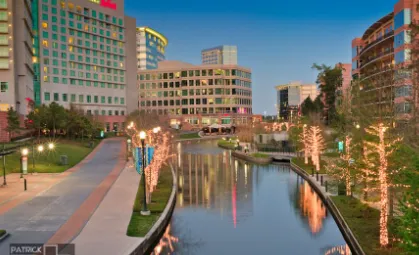

Urban living is undergoing a remarkable transformation. As cities expand and evolve, the demand for unique residential experiences is growing. One trend that has captured the imagination of city dwellers is the conversion of industrial spaces into modern living environments. Warehouse apartments, once bustling centers of manufacturing and storage, are now emerging as highly sought-after residences in urban landscapes.
The Rise of Warehouse Apartments
Warehouse apartments have gained popularity in recent years due to their distinctive aesthetic and practical advantages. These spaces typically feature open floor plans, high ceilings, exposed brick, and large windows, all of which create an airy and versatile environment. For urban residents seeking a combination of character, space, and flexibility, warehouse apartments offer an unparalleled lifestyle.
In cities like Minneapolis, developers and property owners are repurposing historic industrial buildings into luxury and contemporary living spaces. These conversions breathe new life into areas that were previously dominated by commerce and industry, allowing residents to enjoy both modern amenities and historic charm.
Why Warehouse Apartments Are Appealing
There are several reasons why warehouse apartments are increasingly favored over traditional apartment styles. First, the open layouts allow for flexible living arrangements. Residents can create multifunctional areas such as a home office, studio, or entertainment space without feeling cramped.
Second, warehouse apartments often retain original architectural features, providing a unique aesthetic that cannot be replicated in conventional apartments. Exposed beams, brick walls, and industrial-style windows give these residences a sense of authenticity and character that attracts individuals seeking something beyond cookie-cutter housing.
Third, the high ceilings and expansive windows enhance natural light and ventilation, contributing to a healthier and more enjoyable living environment. These elements create a sense of openness that is particularly appealing in densely populated urban areas.
The Urban Lifestyle Connection
Warehouse apartments are not just about physical space—they are about lifestyle. Many of these residences are located in revitalized urban districts, placing residents in close proximity to cultural hubs, restaurants, art galleries, and entertainment venues. This integration with city life makes warehouse apartments especially attractive to young professionals, creatives, and individuals who value convenience and community.
In addition, the trend aligns with sustainable urban development. By repurposing existing structures instead of building new ones, cities reduce construction waste and preserve historic architecture. Residents can enjoy modern conveniences while participating in environmentally responsible urban living.
Warehouse Apartments in Minneapolis
Minneapolis has become a focal point for the warehouse apartment trend. The city’s industrial past provides a wealth of buildings suitable for conversion, and the local demand for distinctive urban housing continues to grow. Warehouse apartments for rent in Minneapolis offer a unique blend of historic character and contemporary design, appealing to a diverse range of residents.
Neighborhoods with these converted spaces often see an influx of cultural and commercial activity. Cafes, boutique shops, and creative studios thrive alongside residential developments, creating vibrant and walkable communities. This dynamic atmosphere enhances the appeal of warehouse apartments, making them more than just a place to live—they are part of a lifestyle.
Practical Considerations for Potential Residents
For those considering warehouse apartments, several practical factors are worth noting. One consideration is cost. While some warehouse apartments are positioned as luxury residences with premium pricing, there are also more affordable options that cater to a wider range of budgets. Evaluating amenities, location, and building features can help prospective residents find the best fit.
Another important aspect is space utilization. The open floor plans of warehouse apartments provide flexibility but may require thoughtful design and organization. Creative solutions such as modular furniture, room dividers, and multifunctional storage can maximize functionality without compromising style.
Safety and building standards are also critical. Reputable developers ensure that converted industrial spaces comply with modern building codes, including fire safety, structural integrity, and energy efficiency. Prospective tenants should verify these standards to ensure a secure and comfortable living environment.
The Future of Urban Living
Warehouse apartments represent more than a housing trend—they are indicative of a broader shift in urban living preferences. People increasingly prioritize individuality, flexibility, and proximity to cultural and commercial amenities. These residences cater to those desires by offering unique architectural features, open layouts, and vibrant community connections.
As cities continue to grow and industrial areas become available for redevelopment, the appeal of warehouse apartments is expected to rise. Minneapolis serves as a prime example of how these conversions can transform neighborhoods and redefine urban living. With ongoing demand for innovative housing solutions, warehouse apartments are positioned to become a cornerstone of modern city life.
The transformation of industrial spaces into residential environments illustrates the evolving nature of urban living. Warehouse apartments provide a unique combination of aesthetic appeal, practical design, and lifestyle advantages that make them increasingly desirable. For those seeking distinctive residences in dynamic urban settings, warehouse apartments offer a compelling choice.
In Minneapolis, the availability of warehouse apartments for rent in Minneapolis reflects the city’s commitment to preserving its industrial heritage while meeting modern housing demands. Whether for the open layouts, historic character, or vibrant community life, warehouse apartments are shaping the future of urban living, proving that spaces once devoted to industry can become the ultimate urban retreats.
About the Author