
Reimagining Sophistication in a Dense Cityscape
Urban elegance is frequently reduced to visual appeal, a curated aesthetic that prioritizes surface over substance. This reduction overlooks a more complex reality. True refinement emerges from the integration of design, function, and atmosphere into a cohesive whole. Within Lucerne Grand, elegance is not imposed. It is cultivated through deliberate restraint and thoughtful execution. The environment does not rely on excess to communicate value. Instead, it reveals sophistication through balance, where every element contributes to a unified experience. This approach challenges conventional expectations, offering a perspective that feels both contemporary and enduring.
Architectural Expression with Purpose
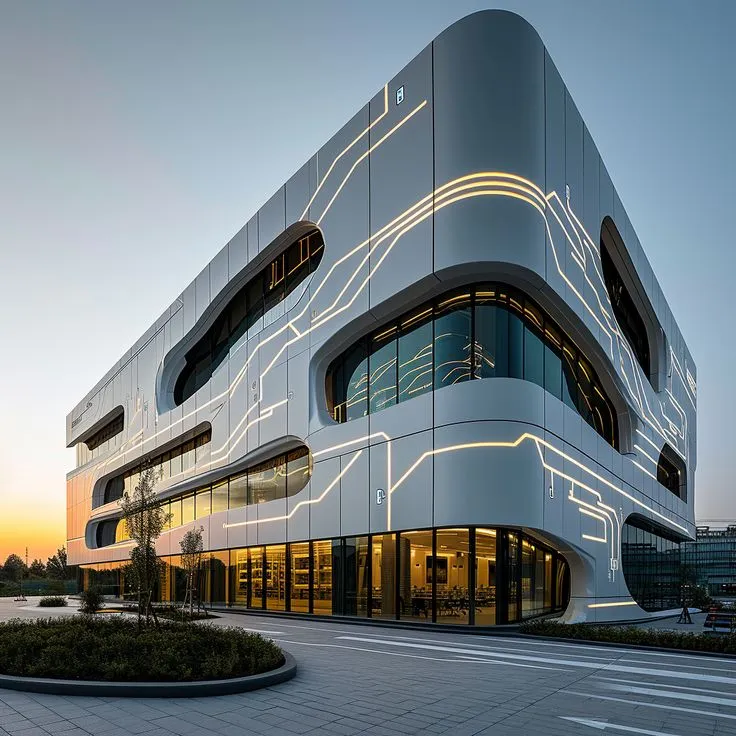
Buildings often seek attention through exaggerated forms, yet such approaches can feel transient. Here, architectural expression is grounded in intention rather than spectacle. The structure communicates clarity, using proportion and alignment to create visual harmony. Lines are defined without rigidity, allowing the form to maintain both presence and subtlety. This balance ensures that the development integrates seamlessly into its surroundings while retaining a distinct identity. It is an approach that favors longevity over novelty, ensuring relevance beyond immediate trends.
Interior Environments That Reflect Human Behavior
Design that ignores human behavior inevitably becomes impractical. Interiors within this development demonstrate a nuanced understanding of how people interact with space. Layouts are configured to support natural movement, reducing unnecessary barriers and enhancing usability. This fluidity extends to the relationship between different areas, where transitions feel intuitive rather than forced. The result is an environment that adapts to daily routines, accommodating both activity and rest without requiring constant adjustment. Comfort becomes an inherent quality rather than a secondary consideration.
The Subtle Role of Material and Texture
Material selection often determines whether a space feels authentic or artificial. Here, materials are chosen with discernment, emphasizing both durability and tactile richness. Surfaces interact with light in ways that enhance depth and variation, preventing monotony. Texture introduces a sensory dimension that complements visual cohesion, creating an environment that engages beyond the surface. This attention to detail reinforces the perception of quality, ensuring that the space remains compelling over time rather than diminishing with familiarity.
Light as a Defining Element
Light possesses the ability to transform perception without altering structure. Its influence is both immediate and evolving. Within this environment, light is treated as a central component of design. Natural illumination is guided with precision, enhancing spatial clarity while maintaining a sense of calm. As conditions change throughout the day, the atmosphere shifts accordingly. This dynamic quality prevents stagnation, allowing the space to remain responsive and engaging. The integration of light elevates the overall experience, reinforcing a connection between the interior and the external environment.
Privacy and Spatial Balance
Urban living often requires compromise, particularly in terms of privacy. However, thoughtful planning can mitigate this challenge. The arrangement of units prioritizes separation, reducing both visual and acoustic intrusion. Circulation areas are designed to facilitate movement without creating unnecessary overlap. This careful orchestration ensures that residents can enjoy personal space without isolation. The balance between connection and independence enhances overall comfort, allowing individuals to engage with their surroundings on their own terms.
Amenities That Support Lifestyle Integration
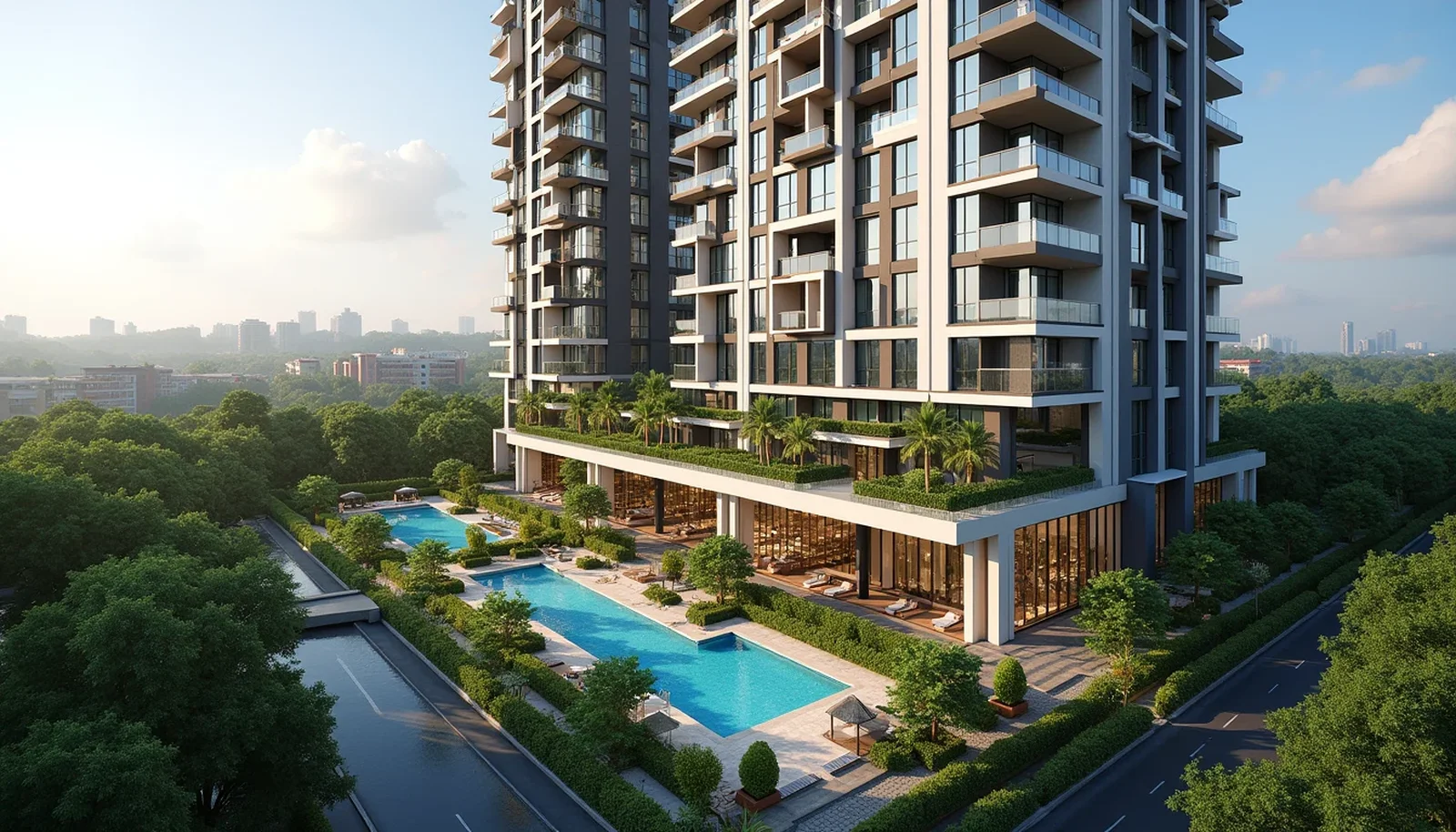
Facilities within residential developments are frequently treated as decorative additions. In contrast, the amenities here are designed with practical integration in mind. They function as extensions of daily life, supporting routines rather than interrupting them. Spaces for relaxation, wellness, and interaction are positioned strategically, encouraging natural engagement. This approach ensures that amenities remain relevant, enhancing quality of life without imposing artificial expectations. The result is a living environment that feels cohesive rather than fragmented.
Strategic Location and Urban Connectivity
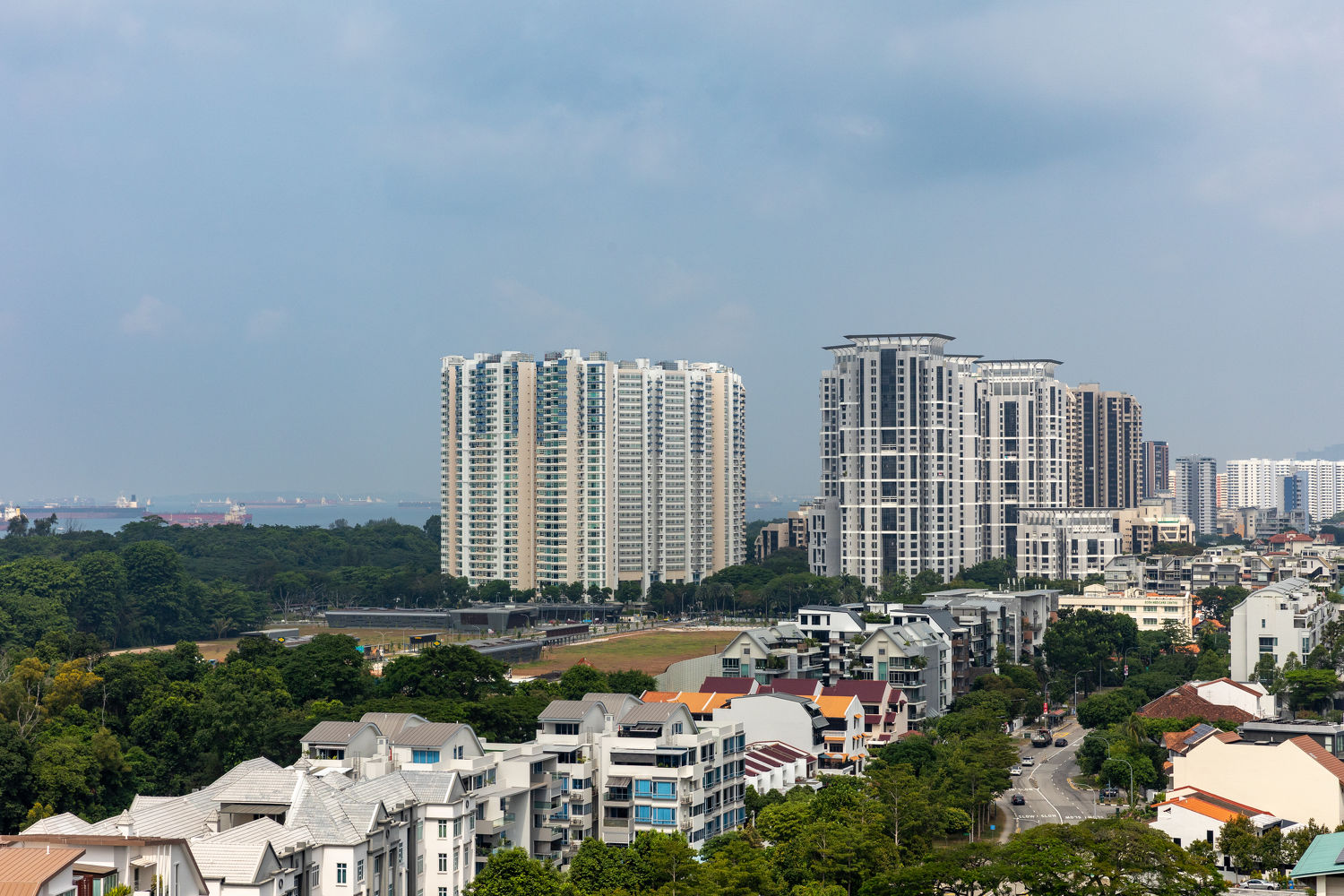
Location remains a critical factor in defining the quality of urban living. Accessibility to essential services and infrastructure influences both convenience and efficiency. At the same time, excessive proximity to urban intensity can diminish comfort. This development achieves a measured balance. Connectivity is maintained without sacrificing composure, allowing residents to navigate the city with ease while retaining a sense of retreat. This duality enhances both practicality and well being, reinforcing the overall appeal of the environment.
Cohesion as the Essence of Elegance
Elegance is not derived from isolated elements. It emerges from the relationship between them. Within this development, cohesion serves as the guiding principle. Architectural form, interior design, and spatial arrangement align with a unified vision, creating a sense of harmony that permeates every aspect. This consistency eliminates visual discord, allowing the environment to feel complete and intentional. It is this coherence that defines the experience, transforming individual features into a collective expression of refinement.
An Enduring Interpretation of Modern Living
Contemporary living demands adaptability, resilience, and clarity of design. Environments must evolve alongside their occupants while maintaining structural integrity. In this context, Lucerne Grand presents a model that extends beyond immediate appeal. It offers a framework where elegance is not confined to appearance but embedded within every aspect of the experience. This approach ensures that the space remains relevant, supporting both present needs and future expectations through disciplined design and thoughtful execution.
About the Author