A Stable but Evolving Property Landscape
Singapore’s property market heading into the 2026–2030 period is expected to remain fundamentally stable, but with gradual structural changes shaping demand and investment behavior. Unlike highly volatile markets, Singapore continues to be supported by strong regulation, limited land supply, and long-term urban planning policies that prevent extreme price fluctuations.
However, within this stability, clear shifts are emerging in buyer priorities and investment strategies.
Controlled Growth Instead of Sharp Cycles
The next few years are likely to see controlled and moderate price growth rather than sharp spikes. Government intervention through cooling measures ensures that affordability remains in focus while preventing speculative bubbles.
This creates a market environment where long-term holding strategies are more effective than short-term trading approaches.
Urban Transformation Driving Value Shifts
One of the strongest long-term drivers of property value is Singapore’s ongoing urban transformation. New business districts, expanded MRT networks, and redevelopment of older industrial zones are gradually reshaping the island’s residential map.
Areas once considered peripheral are becoming more desirable as infrastructure improves and travel times to key hubs decrease.
Decentralisation Strengthening Suburban Demand
Decentralisation remains a central pillar of Singapore’s development strategy. Regional hubs such as Jurong and Tampines are being enhanced with commercial, retail, and lifestyle infrastructure to reduce pressure on the city centre.
This shift is expected to strengthen demand for suburban housing, particularly in well-connected districts that offer both affordability and convenience.
Rental Market Stability and Gradual Adjustment
Rental demand is expected to remain stable over the long term, supported by a consistent inflow of expatriates, professionals, and students. However, rental growth may fluctuate depending on economic cycles and new housing supply.
Well-located properties near transport nodes and employment hubs will continue to outperform in terms of occupancy and rental resilience.
Financing Conditions Shaping Buyer Behavior
Interest rates and financing conditions will continue to play a significant role in shaping investment decisions. While rates may gradually stabilize over time, buyers are expected to remain more cautious compared to the low-interest environment of previous years.
This encourages more disciplined borrowing and a stronger focus on cash flow sustainability.
The Rise of Lifestyle-Oriented Developments
A major long-term trend is the growing importance of lifestyle-driven residential demand. Buyers are no longer focused solely on location but also on how well a property supports daily living.
This includes access to green spaces, wellness facilities, efficient layouts, and smart home features. Properties that integrate these elements are expected to perform better in both rental and resale markets.
Emerging Residential Opportunities
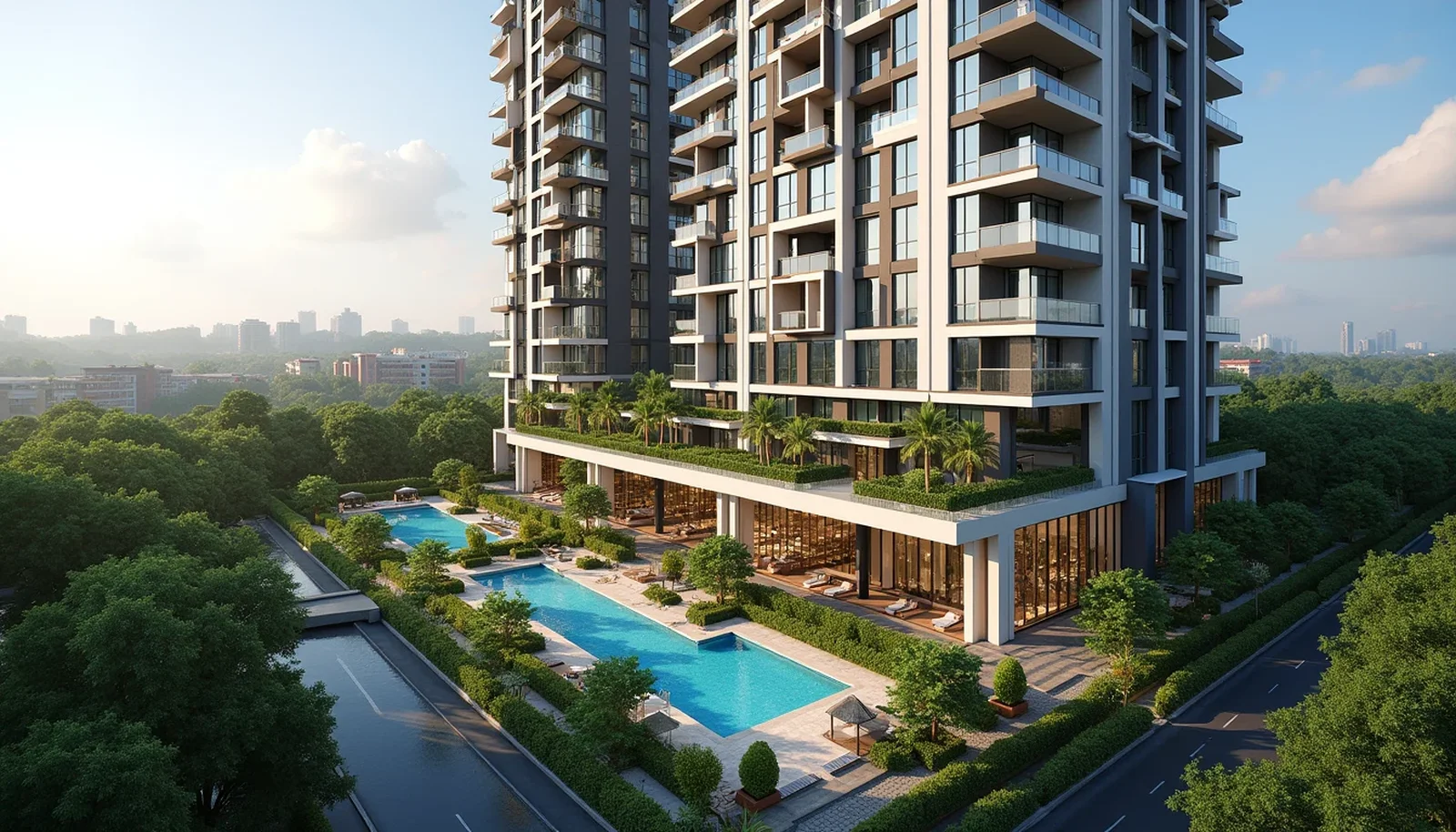
As new infrastructure continues to develop, certain residential projects are positioned to benefit from long-term appreciation trends. Lucerne Grand represents a type of modern development that aligns with future-oriented planning, offering accessibility and design features that appeal to long-term investors.
Shift Toward Balanced Living Environments
Buyers are increasingly prioritizing balance between urban convenience and residential tranquility. This has led to stronger interest in developments that are not overly dense but still well-connected to transport and lifestyle amenities.
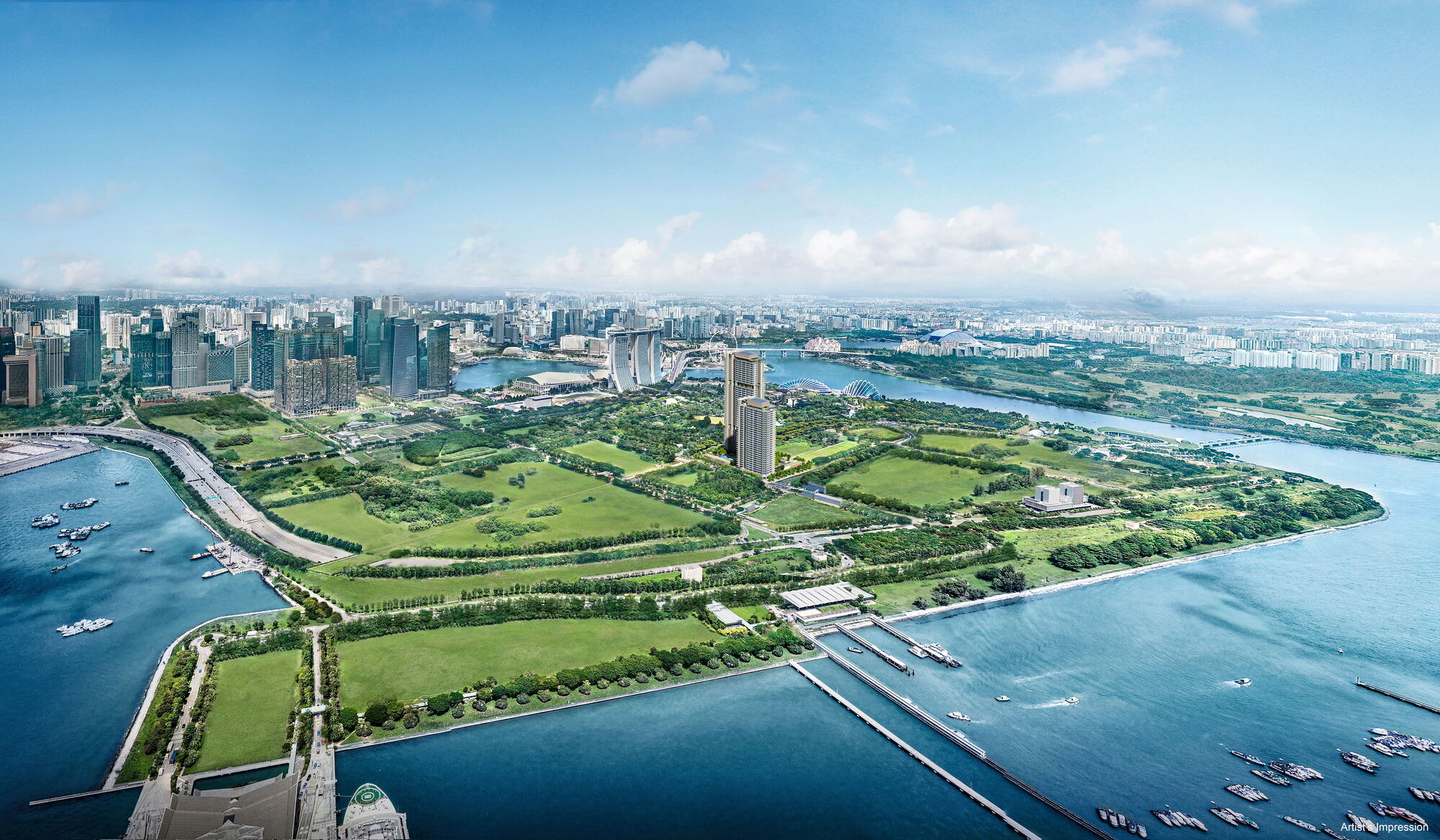
Island Residences reflects this shift by catering to buyers who value a more relaxed living environment while still maintaining accessibility to key urban areas, making it suitable for long-term residential stability.
Technology and Smart Living Integration
Over the next few years, technology is expected to play a larger role in residential living. Smart home systems, digital security, and energy-efficient building technologies will become standard expectations rather than premium features.
This technological integration will also influence property valuation and tenant demand patterns.
Long-Term Investment Strategy Shift
Investors are expected to adopt a more conservative and strategic approach to property investment. Instead of focusing on rapid capital gains, the emphasis will shift toward:
- Stable rental income
- Asset preservation
- Strategic location selection
- Long-term infrastructure alignment
This reflects the broader maturity of Singapore’s property market.
Conclusion
Between 2026 and 2030, Singapore’s property market is expected to remain stable, structured, and policy-driven. While growth will be steady rather than explosive, long-term fundamentals such as limited land supply, strong governance, and continuous urban development will continue to support value appreciation.
Investors who focus on quality assets, strategic locations, and lifestyle-driven demand are likely to achieve the most consistent results. Developments aligned with future growth trends, including Lucerne Grand and Island Residences, will remain relevant in a market increasingly defined by long-term planning rather than speculation.
About the Author