
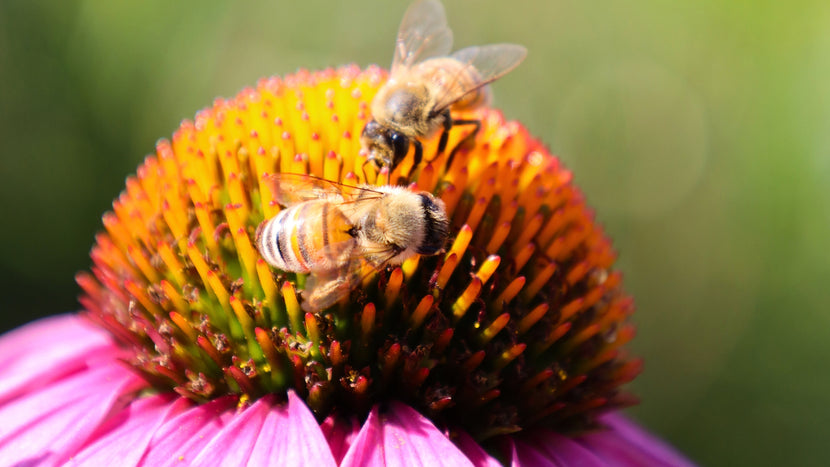
Imagine a world without colorful flowers, fresh fruits, or thriving green landscapes. It’s hard to picture—yet this is exactly what could happen without pollinators and the plants that support them. Pollinator plants play a silent but powerful role in keeping our environment healthy, our food systems stable, and our ecosystems alive. Though often overlooked, these plants are truly the backbone of biodiversity.
What Are Pollinator Plants?
Pollinator plants are flowering plants that provide nectar and pollen to pollinators such as bees, butterflies, birds, bats, and other insects. In return, pollinators help these plants reproduce by transferring pollen from one flower to another. This natural partnership has evolved over millions of years and is essential for the survival of both pollinators and plants.
From wildflowers and shrubs to trees and herbs, pollinator plants exist in nearly every ecosystem on Earth. Even many common garden plants and agricultural crops rely on pollination to grow successfully.
Why Pollinator Plants Matter So Much
1. They Support Biodiversity
Pollinator plants are foundational to healthy ecosystems. When these plants thrive, they support a wide range of pollinators, which in turn support birds, mammals, and other wildlife. A single flowering plant can sustain dozens of species, creating a ripple effect throughout the food chain.
Without pollinator plants, ecosystems become weaker, less diverse, and more vulnerable to collapse.
2. They Help Produce Our Food
Roughly one-third of the food we eat depends on pollination. Fruits, vegetables, nuts, and seeds all rely heavily on pollinator plants and the insects that visit them. Apples, almonds, strawberries, tomatoes, and even coffee are all connected to this process.
Healthy plants mean better crop yields, improved food quality, and greater food security for communities around the world.
3. They Strengthen the Environment
Pollinator plants do more than feed insects—they actively improve environmental health. Their roots help prevent soil erosion, improve soil structure, and increase water retention. Many native plants are especially effective at stabilizing landscapes and reducing runoff.
Additionally, these plants contribute to cleaner air by absorbing carbon dioxide and releasing oxygen, helping combat climate change on a local and global scale.
Pollinator Plants and Climate Resilience
As climate change intensifies, resilient ecosystems are more important than ever. Pollinator plants, especially native plants, are often well adapted to local weather conditions. They can withstand droughts, heavy rainfall, and temperature fluctuations better than many non-native species.
By planting and protecting pollinator plants, we create stronger ecosystems that can recover more quickly from environmental stress and extreme weather events.
The Threats Facing Pollinator Plants
Unfortunately, pollinator plants are disappearing at an alarming rate. Urban development, pesticide use, monoculture farming, and habitat loss have drastically reduced the number of flowering plants available to pollinators.
When these plants vanish, pollinators struggle to survive—and when pollinators decline, plants also suffer. It’s a cycle that threatens the balance of nature.
How Individuals Can Help
The good news? Everyone can make a difference.
- Plant pollinator-friendly plants in gardens, balconies, or community spaces
- Choose native plants, which provide the best nutrition for local pollinators
- Reduce or eliminate pesticide use
- Support green spaces and conservation efforts
- Allow some wild plants to grow naturally instead of removing them
Even small actions, like planting a few flowering plants, can create safe havens for pollinators.
A Shared Responsibility
Pollinator plants are not just beautiful additions to our surroundings—they are essential to life on Earth. They support wildlife, feed humanity, protect the environment, and strengthen ecosystems against climate change. Protecting these plants is not only an environmental responsibility but also an investment in our future.
When we care for pollinator plants, we are ultimately caring for ourselves. 🌱
About the Author