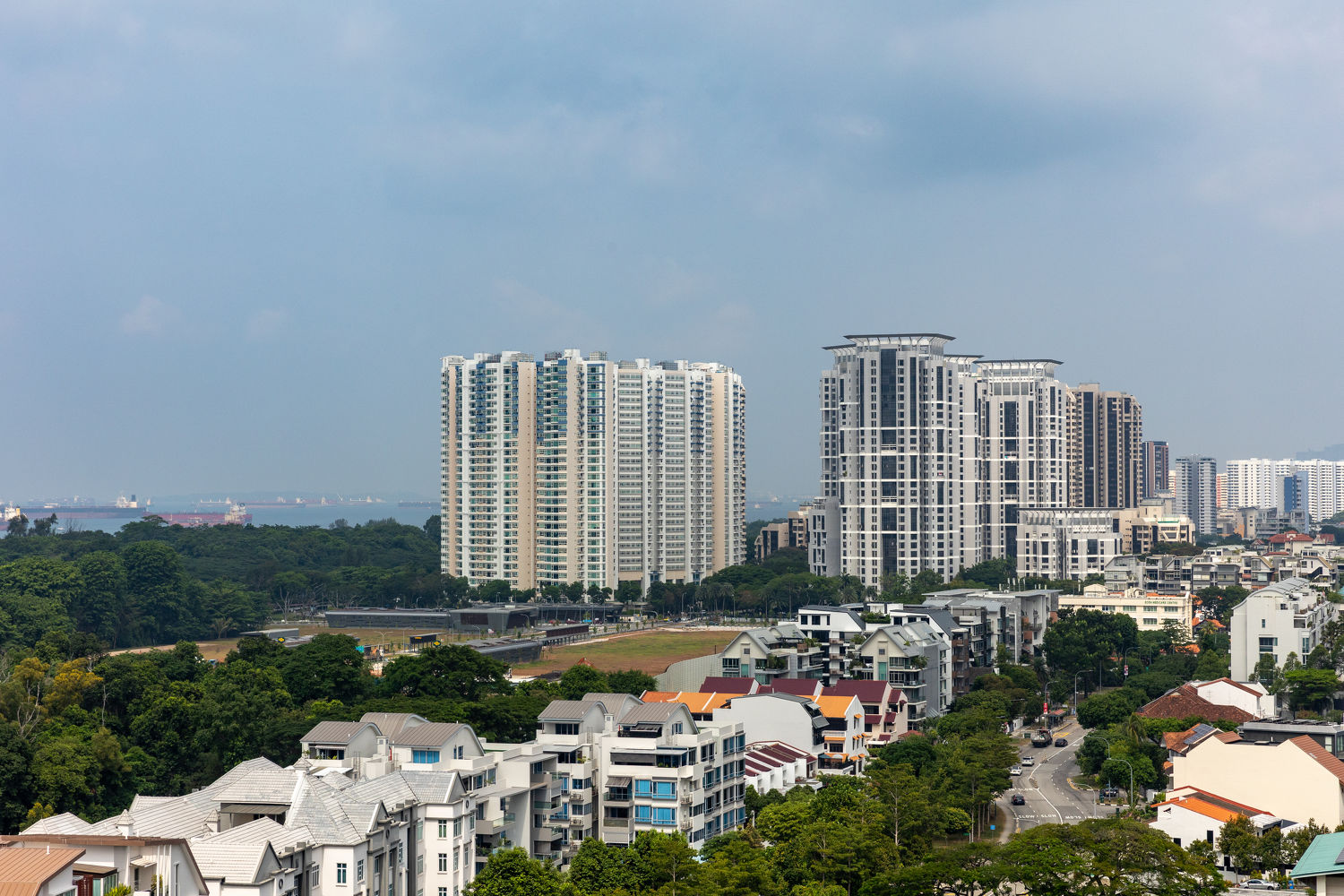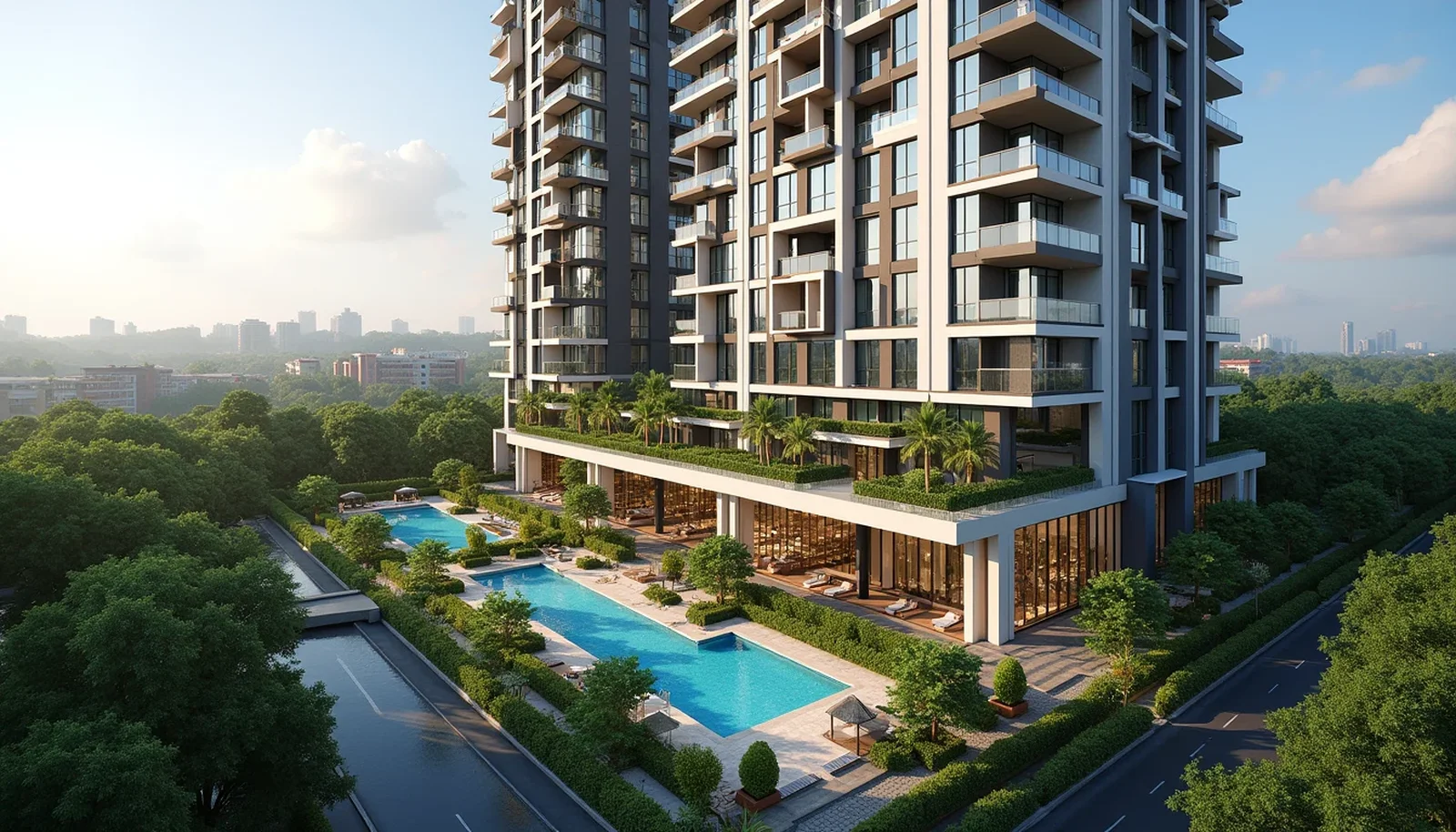

The city architecture is no longer based on a high-density utility-oriented design, but on the principles of balance, accessibility, and long-term occupancy of buildings. The developments of modernity are now being measured in terms of the integration of the day-to-day convenience and the sustainability of the design and the community-oriented planning. The examples of Tengah Garden Residences and Promenade Peak show how considerate urban designs adapt to the evolving lifestyle demands without disrupting comfort and efficiency. These trends indicate a larger trend of housing that is favourable to individual and social welfare.
Planning Ideas Which Build Livable Communities
The principles of smart planning revolve around effective land use, smooth mobility and meaningful zoning. Rather than secluding residential blocks, planners create neighbourhoods that are friendly to each other and yet maintain privacy. Tengah Garden Residences is usually cited as an example of how spatial planning may incorporate green corridors into residential spaces to provide a peaceful and yet interconnected environment. In the same way, Promenade Peak shows how city plans can alleviate traffic and still have easy access to necessary services, shopping zones and recreational facilities.
Design as a Core Element: Sustainability
The modern housing development has adopted environmental responsibility. Natural ventilation, energy-efficient infrastructure, and environmentally friendly materials are not desired features anymore. Planning strategies of Tengah Garden Residences are included in the strategies supporting the reduced energy consumption and enhanced air quality, which shows the alignment of residential living with environmental purposes. This trend is also evident in Promenade Peak, which incorporates sustainable design features that help in the cost-efficiency of the long term, as well as reducing the ecological footprint. These schemes emphasise the fact that sustainability and urban development can co-exist with each other.
Connection and built-in infrastructures
The contemporary population is attached to connectivity, not just in terms of transportation systems, but also in terms of being able to access the most needed things every day. The smart infrastructure configuration means there are seamless links between residential areas, workplaces, and recreational centres. Promenade Peak will have a strategic location that will ensure easy commuting and less dependency on the use of personal vehicles. Meanwhile, Tengah Garden Residences is based on the planning philosophy where schools, communal facilities, and green areas are functionally located, making them easier to access and expand the daily convenience.
Residential Environments that are Lifestyle-Centred
The housing developments are now meant to accommodate the various lifestyles and not to provide the same living styles. Properly designed facilities, open areas and walking trails make people feel they belong. Tengah Garden Residences has been traditionally linked to designs that promote outdoor living and socialisation, but do not compromise the tranquillity. Promenade Peak, on the other hand, is a lifestyle that combines both liveliness and privacy; an urban lifestyle that suits people who are interested in staying active and escaping under one development.
Urban Resilience and Long-Term Value
Long-term value is all too closely associated with smart planning, both to the residents and the general city. Future adaptability Construction Development The development constructed with the consideration of the future adaptation is likely to be relevant in the changing needs of the urban environment. Tengah Garden Residences shows how forward-thinking can help facilitate the growth of the population without taking away the quality of the environment. Promenade Peak is no exception, as it concurs with this viewpoint by providing a residential model that will be functional and desirable even in changing economic and social trends.
Conclusion
The pressure on intelligently planned housing will increase as the cities expand. The projects involving developments that integrate sustainability, connectivity and lifestyle set standards among other projects of the future. Collectively, Tengah Garden Residences and Promenade Peak emphasise how urban housing cannot just be used as mere accommodation but rather as a necessity in a well-operating city. Their principles of planning are a vision of a city that is healthy and resilient, with residential spaces playing an active role in the urban environment.
About the Author